Product Compliance
Compliance applies to more than what's inside the bottle.
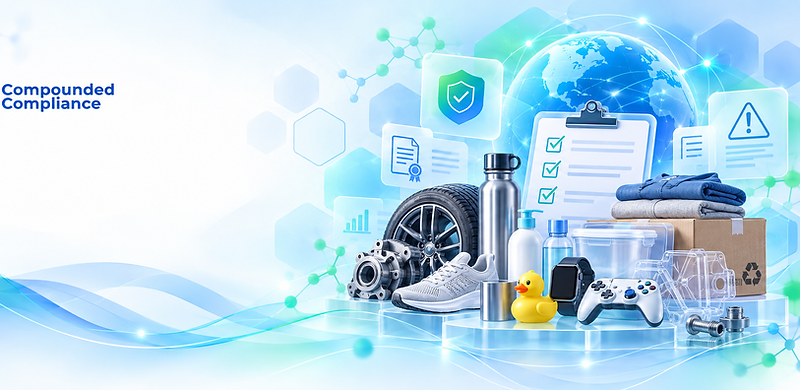
Plastics, metals, coatings, components, textiles, electronics and manufacturing materials can all introduce regulatory obligations into the finished product.
Manufacturing processes and product components can introduce regulated substances into finished goods — including through plastics, metals, coatings, adhesives, dyes, molds and other materials.
We help manufacturers, importers, distributors, private-label brands and retailers work out what applies to a physical product: how it is classified, what testing or certification is expected, what warnings and instructions are required, and what changes from one market to the next.
What falls under it
- Hardgoods
- Consumer products
- Automotive products
- Equipment & tools
- Sporting goods
- Packaging
- Textiles & apparel
- Children's products
- Electronics
- Product classification
- Regulatory research
- Testing & certification requirements
Where product obligations come from
A physical product picks up obligations from several directions at once. We work through each of them before recommending what to change.
- Materials & components: plastics, metals, coatings, adhesives, dyes, inks, textiles, electronics
- Intended use & users: children, workplaces, consumers, professionals, industrial environments
- Markets & distribution: federal, state, international and marketplace requirements
- Communication: labels, warnings, instructions, manuals, warranty and online product content
Product Compliance FAQ
Hardgoods compliance is the set of regulatory obligations that apply to a physical, non-chemical product, such as equipment, tools, electronics, apparel, children's products or other finished goods. What applies depends on the product's materials, its intended use and users, and the markets where it is sold.
Not sure what applies to your product?
Send us the product and we'll identify which obligations are in play before you commit to changes.